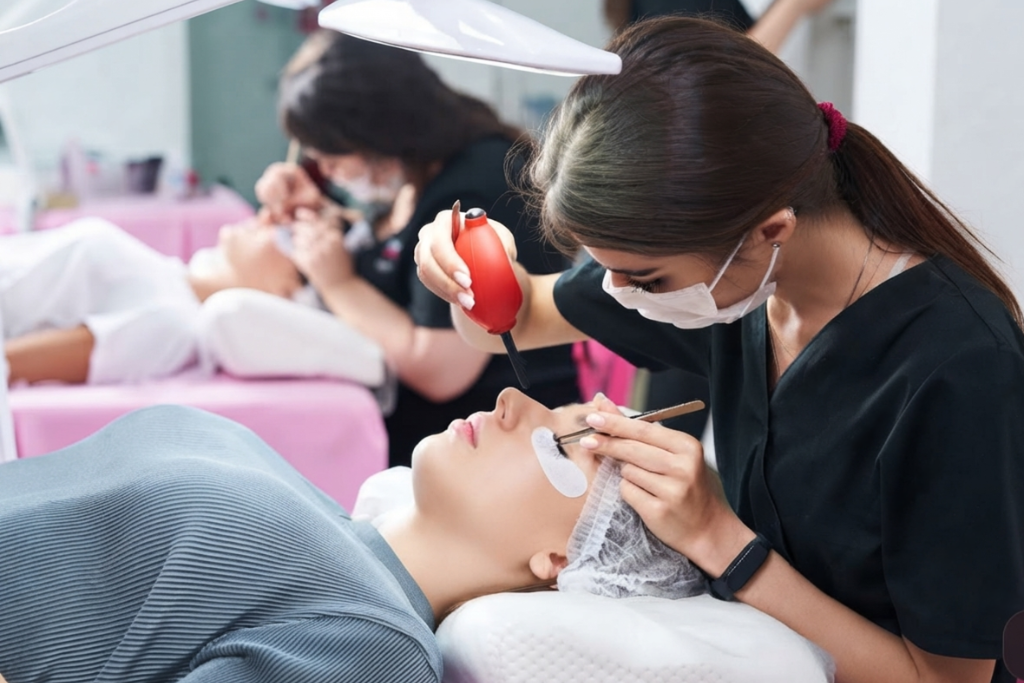
The beauty industry is constantly evolving, creating new opportunities for aspiring professionals. One growing specialisation is permanent makeup, which enhances natural facial features through semi-permanent cosmetic procedures such as eyebrow shaping, lip blush, and eyeliner. For those interested in this field, enrolling in a permanent makeup course can be a valuable step towards building a career in the beauty industry.
These courses cover essential techniques, skin knowledge, hygiene practices, colour theory, and practical application. Beginners often want to know what they will learn, how much hands-on training is included, and what career opportunities are available after completion.
This guide explores the key aspects of professional permanent makeup training and the skills needed to become a confident artist.
What Is a Professional Permanent Makeup Course?
A professional permanent makeup course is a specialised training programme that teaches students how to enhance facial features using cosmetic pigmentation techniques. It focuses on depositing suitable pigments into the upper layers of the skin to create a long-lasting makeup effect.
Depending on the training programme, students may learn different treatments, including:
-
Microblading: Creating natural-looking eyebrow strokes to improve eyebrow shape and fullness.
-
Permanent Eyebrow Makeup: Enhancing eyebrow definition, symmetry, and overall appearance through pigmentation techniques.
-
Lip Blush: Adding a soft tint to the lips to create a more defined and balanced appearance.
-
Permanent Eyeliner: Enhancing the lash line to create a defined eye appearance.
-
Colour Correction: Understanding how to improve or adjust the appearance of previously applied cosmetic pigments.
The exact techniques covered depend on the institute, course level, and training curriculum.
What Will You Learn in a Professional Permanent Makeup Course?
One of the most common questions beginners ask is what they will actually learn during permanent makeup training.
A well-structured course should cover theoretical concepts, practical techniques, safety standards, and client management. Although the syllabus varies between institutes, the following subjects are commonly included.
1. Introduction to Permanent Makeup
The first stage generally introduces students to the fundamentals of permanent makeup and its role in the beauty industry.
Students learn about the history and development of cosmetic pigmentation, different treatment options, and the differences between traditional makeup, semi-permanent makeup, and tattooing. This foundation helps beginners understand how permanent makeup procedures work and why specialised training is necessary.
Students may also explore the purpose of different treatments, including eyebrow enhancement, lip pigmentation, and eyeliner application.
2. Skin Anatomy and Different Skin Types
During training, students learn about the basic structure of the skin, including the epidermis, dermis, and underlying tissues. They also study how skin characteristics can influence pigment retention and healing.
Important topics may include:
-
Different skin types, including oily, dry, sensitive, and combination skin.
-
Basic skin structure and natural renewal processes.
-
Factors affecting pigment retention.
-
Skin sensitivity and common contraindications.
-
How different skin conditions can influence treatment suitability.
This knowledge helps future professionals understand why the same technique may produce different results on different individuals.
3. Eyebrow Designing and Microblading Techniques
It focuses on creating well-defined eyebrows that complement an individual's facial features. Students learn how to assess natural eyebrow shape, understand facial proportions, and plan suitable designs.
Training may cover:
-
Eyebrow mapping and symmetry.
-
Understanding facial proportions.
-
Natural hair-stroke patterns.
-
Microblading fundamentals.
-
Powder and ombre eyebrow techniques.
-
Pigment selection for different eyebrow colours.
The goal is to understand how to create balanced eyebrow designs that complement the client's natural appearance rather than following a single style for everyone.
4. Lip Blush and Lip Pigmentation
Lip blush is another important technique commonly included in permanent makeup training. It involves applying cosmetic pigments to the lips to create a soft tint and improve their overall definition.
The training may include understanding:
-
Lip shape and symmetry.
-
Colour theory for lip pigmentation.
-
Choosing suitable pigment shades.
-
Basic lip mapping techniques.
-
Lip blush application methods.
-
Factors affecting colour retention and healing.
Students also learn that lip pigmentation requires careful assessment because natural lip colour, undertones, and individual skin characteristics can influence the final result.
5. Permanent Eyeliner Techniques
During this part of the course, students may learn about eye anatomy, eyeliner placement, and different styles of enhancement.
Theoretical and practical topics can include:
-
Understanding eye shapes.
-
Lash-line enhancement techniques.
-
Basic eyeliner design and placement.
-
Equipment handling.
-
Pigment selection.
-
Eye-area safety and hygiene.
Because the eye area is delicate, this treatment requires particularly careful technique, proper training, and strict safety procedures.
6. Equipment Handling and Tool Knowledge
Permanent makeup procedures involve specialised machines, needles, and other equipment. Students need to understand how these tools work and how to handle them correctly.
A professional course may introduce:
-
Permanent makeup machines and hand tools.
-
Different needle configurations.
-
Pigment containers and accessories.
-
Equipment preparation and handling.
-
Disposable and single-use supplies.
-
Proper cleaning and maintenance procedures.
Learning about equipment is important for developing consistent techniques and maintaining safe working conditions.
What Career Opportunities Are Available After Completing a Permanent Makeup Course?
Completing a professional permanent makeup course can open doors to several opportunities in the beauty industry. Depending on their training, practical experience, and local regulations, students can explore different career paths, such as:
-
Beauty Salon Professional: Work with established beauty salons or cosmetic studios offering permanent makeup treatments.
-
Independent Practitioner: Start a personal beauty practice after gaining sufficient experience and meeting local requirements.
-
Specialised Permanent Makeup Artist: Focus on specific treatments such as eyebrow microblading, lip blush, or permanent eyeliner.
-
Beauty Industry Professional: Expand an existing career in makeup or beauty services by adding permanent makeup techniques to their skill set.
With continuous practice, advanced training, and strong client management skills, professionals can gradually develop their expertise and explore further career opportunities.
Conclusion
A professional permanent makeup course provides aspiring beauty professionals with the essential knowledge and practical skills needed to understand cosmetic pigmentation procedures. From eyebrow designing and lip blush to eyeliner techniques, colour theory, skin anatomy, and hygiene practices, the training covers important aspects of this specialised field.
Choosing the right institute is equally important. New Image Institute offers aspiring professionals an opportunity to develop their beauty skills through structured training and practical learning. With proper guidance, consistent practice, and a focus on safe procedures, students can build their confidence and explore promising career opportunities in the growing permanent makeup industry.
Frequently Asked Questions About Professional Permanent Makeup Courses
1. Can Beginners Enrol in a Permanent Makeup Course?
Yes. Many permanent makeup training programmes are designed for beginners. They introduce fundamental concepts and gradually teach students different techniques through theoretical lessons, demonstrations, and practical sessions.
2. Do I Need Previous Beauty Industry Experience?
Not necessarily. Some beginner-level courses accept students without previous beauty experience. However, having an interest in beauty, creativity, and attention to detail can be helpful.
3. What Treatments Can I Learn During Permanent Makeup Training?
Depending on the course curriculum, students may learn eyebrow microblading, powder brows, lip blush, permanent eyeliner, colour theory, and other cosmetic pigmentation techniques.
4. Is Practical Training Important in Permanent Makeup?
Yes. Practical training is essential because students need to understand equipment handling, pigment application, skin response, and treatment procedures. Supervised practice helps develop technical skills and confidence.
5. Can I Start My Own Business After Completing the Course?
Professional training can provide a foundation for starting an independent practice. However, you may need additional experience, suitable qualifications, business preparation, and compliance with applicable local health and licensing requirements.
6. How Can I Become a Skilled Permanent Makeup Artist?
Start with a structured training programme, learn the fundamentals, practise under professional supervision, understand hygiene requirements, and continue improving your techniques through advanced learning and experience.