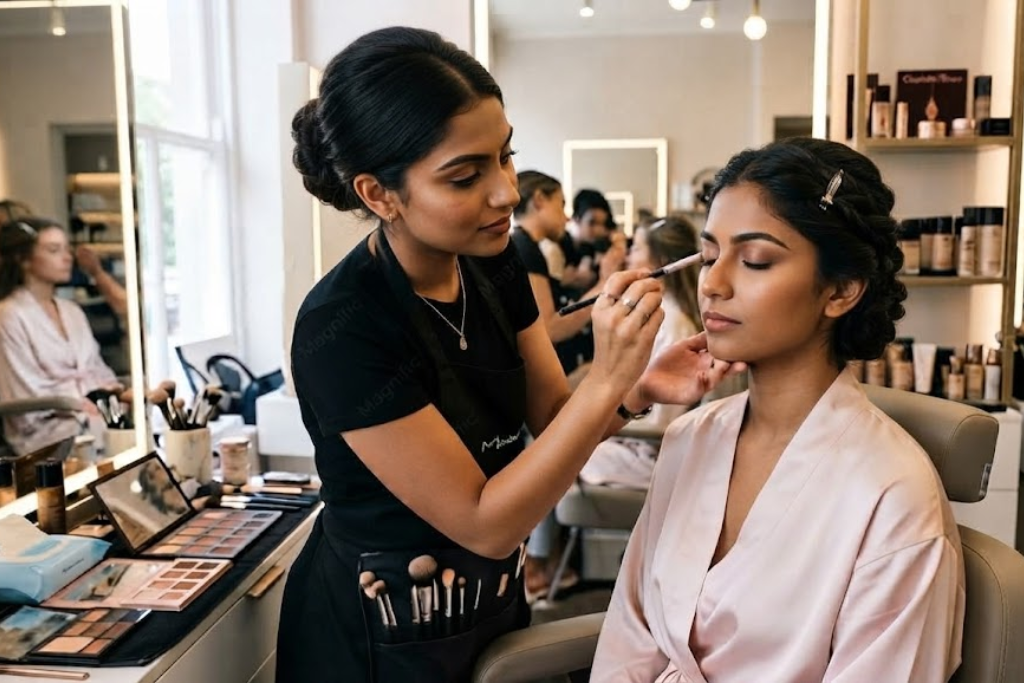
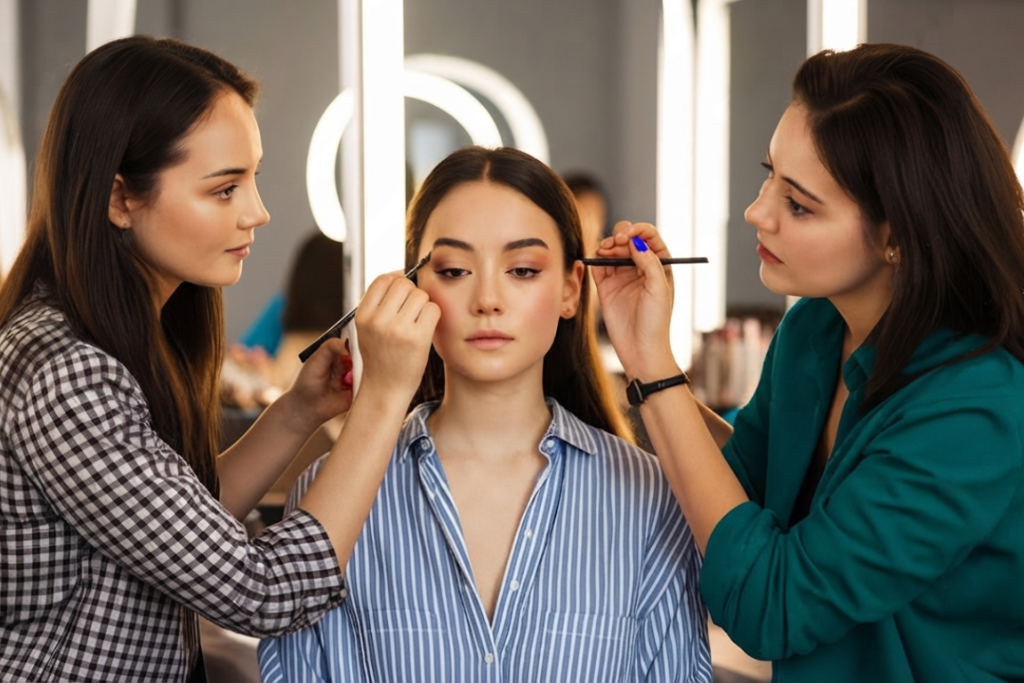
The beauty industry offers many opportunities for people who are passionate about makeup and creativity. Whether you want to become a professional makeup artist, work in a beauty salon, or start your own makeup business, enrolling in makeup courses in Ludhiana is a great first step. However, learning makeup techniques alone is not enough to build a successful career. Students also need practical, professional, and communication skills to stand out in the beauty industry.
In this blog, we will explore the top skills every student should develop while enrolled in makeup courses to improve their confidence, gain practical experience, and prepare for a successful future as a makeup artist.
1. Makeup Application Techniques
The first and most important skill is learning the correct makeup application techniques. Students should understand how to prepare the skin, choose the right foundation shade, blend products properly, and create different makeup looks.
Makeup courses help students practise techniques such as bridal makeup, party makeup, natural makeup, and glamorous looks. Regular practice helps improve accuracy, speed, and creativity. Practise on different skin types, skin tones, and face shapes to understand how makeup products work for different clients.
2. Knowledge of Skin Types and Products
A professional makeup artist should understand different skin types, including oily, dry, combination, and sensitive skin. This knowledge helps students select suitable skincare products, primers, foundations, and other makeup essentials.
Students should also learn about product ingredients, textures, finishes, and the correct use of makeup tools. For example, a foundation that works well on oily skin may not provide the same results on dry skin. Understanding these differences helps makeup artists create better results while providing a more comfortable experience for their clients.
3. Hygiene and Sanitation
Hygiene is one of the most important skills in the beauty industry. Makeup artists work closely with clients, so maintaining clean tools and products is essential for safe makeup application.
Students should learn how to clean and disinfect brushes and reusable tools, use disposable applicators when appropriate, avoid double-dipping, and maintain a clean workstation. They should also understand when products must not be shared between clients. Following proper hygiene practices helps reduce the risk of contamination and shows clients that their safety is a priority.
4. Communication and Client Consultation
Good communication helps makeup artists understand what their clients want. Every client has different preferences, skin concerns, event requirements, and expectations.
During makeup courses, students should practise asking clear questions, listening carefully, and explaining which makeup styles may suit a client's needs. They should also learn how to discuss budgets, timings, product choices, and desired results politely.
For example, before starting bridal makeup, an artist should discuss the bride's outfit, event theme, preferred look, and any product sensitivities. Strong communication skills help build trust, improve client satisfaction, and encourage repeat bookings.
5. Creativity and Attention to Detail
Makeup is both an art and a practical skill. Creativity allows makeup artists to experiment with colours, textures, and styles, while attention to detail helps them achieve a neat and balanced finish.
Students should explore different makeup trends, practise colour combinations, and learn how lighting can affect the final look. They should also focus on details such as eyebrow shape, eyeliner symmetry, lip definition, and foundation blending.
However, creativity does not mean following every trend. A skilled makeup artist knows how to adapt a look to the client's personality, preferences, and occasion.
6. Time Management and Professionalism
Time management is essential for makeup artists, especially when working at weddings, fashion shows, photo shoots, and special events. Delays can create stress for both clients and other professionals involved in the event.
Students should learn to organise their makeup kits, prepare products in advance, follow a planned routine, and complete looks within an appropriate time. Professionalism also includes arriving on time, maintaining a clean workspace, treating clients respectfully, and being open to feedback.
Developing these habits during makeup courses helps students become more organised and reliable when they begin working professionally.
7. Portfolio Building and Marketing Skills
A strong portfolio helps makeup artists showcase their talent and attract potential clients. Students should start building a collection of their best makeup looks while they are still enrolled in makeup courses.
With appropriate permission, they can take clear photographs of their work under good lighting and organise them into a digital portfolio. Social media platforms can also help students share their skills, connect with potential clients, and build a professional presence.
Students should learn basic marketing skills, including writing clear service descriptions, communicating prices, responding to enquiries, and presenting their work honestly. They should never use edited photographs or another artist's work to misrepresent their abilities.
These skills can help students move from learning makeup to building a recognisable personal brand.
Why Are These Skills Important for Makeup Students?
Developing these seven skills helps students prepare for the real demands of the beauty industry. Technical knowledge helps them create quality makeup looks, while hygiene, communication, and professionalism help them work responsibly with clients.
Creativity supports artistic growth, and time management makes it easier to handle appointments and events. Meanwhile, portfolio building and marketing help students showcase their work and explore career opportunities.
The best approach is to practise these skills regularly, ask instructors for feedback, and learn from both successes and mistakes. Progress takes time, but consistent effort can make a meaningful difference.
Conclusion
Enrolling in makeup courses is an important step towards a career in the beauty industry, but long-term success depends on more than learning how to apply makeup. Students should also develop product knowledge, hygiene practices, communication, creativity, time management, and marketing skills.
By practising these seven essential skills during their training, students can improve their confidence, create better makeup looks, and prepare for professional opportunities. Whether your goal is to become a bridal makeup artist, work in a salon, or start your own business, consistent practice, professional behaviour, and a willingness to learn are key to building a strong foundation for success. NIIB Institute can be a consideration for students who want to explore makeup training and take the next step towards a career in the beauty industry.
Frequently Asked Questions
Are makeup courses enough to become a professional makeup artist?
Makeup courses can provide structured learning and practical guidance. However, becoming a skilled professional also requires regular practice, experience with different clients, good hygiene habits, and continuous learning.
Why is hygiene important for makeup artists?
Proper hygiene helps reduce the risk of spreading germs and contaminating makeup products. Clean tools, suitable disposable applicators, and safe product-handling practices are important when working with clients.
How can makeup students build a portfolio?
Students can photograph their practice looks, document different makeup styles, and organise their best work into a digital portfolio. They should obtain permission before photographing or sharing images of models and clients.
Can I start a makeup business after completing a makeup course?
Yes, a makeup course can be a starting point for building a makeup business. Students should also develop client communication, pricing, marketing, budgeting, and appointment-management skills before offering services professionally.
Can beginners join makeup courses at NIIB Institute?
Yes, beginners can explore makeup training at NIIB Institute. Students should contact the institute to confirm the most suitable beginner-level course, its eligibility requirements, and the practical training included.