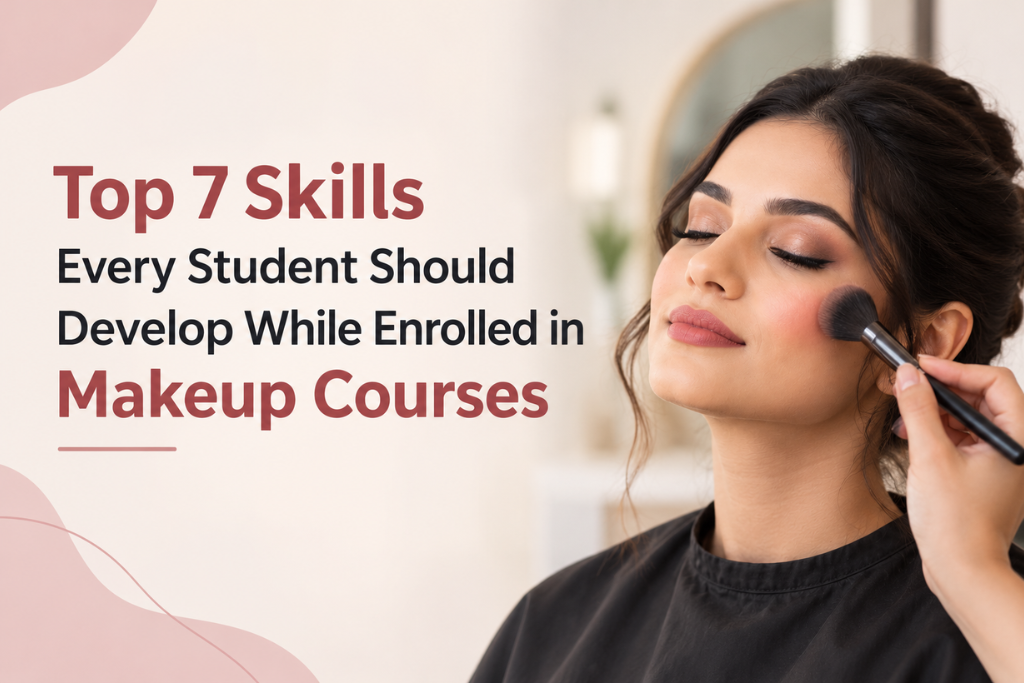
The beauty industry offers promising career opportunities for individuals interested in skincare, makeup, haircare, and personal grooming. However, building a successful career requires proper education, practical experience, and professional skills.
Enrolling in a Beauty Course in Chandigarh helps aspiring beauticians learn essential beauty treatments, professional techniques, hygiene practices, and client-handling skills. Students also get opportunities to practise their skills and understand the latest beauty industry trends.
Whether starting as a beginner or upgrading existing skills, professional training provides a strong foundation for long-term career growth.
1. Develop Essential Professional Beauty Skills
One of the biggest advantages of pursuing a professional beauty course is the opportunity to develop essential skills required in the beauty industry. While some beauty techniques can be learned through personal experience or online tutorials, professional training provides structured learning and practical guidance.
Professional training also helps students understand how to select suitable products, use beauty equipment correctly, and perform treatments according to established procedures. These skills are important for delivering consistent services and maintaining professional standards.
For beginners, learning these techniques under the guidance of experienced trainers can make the process easier and help prevent common mistakes.
2. Gain Hands-On Practical Experience
Beauty treatments require more than theoretical knowledge. A beautician must understand how to perform different procedures correctly while considering client comfort, skin requirements, and safety.
A professional beauty course provides opportunities to practise techniques and become familiar with the tools, products, and equipment used in salons. Practical sessions allow students to apply what they have learned and gradually improve their performance.
Hands-on experience helps aspiring beauticians:
-
Improve accuracy and coordination while performing treatments.
-
Understand the correct use of professional beauty products.
-
Develop confidence in handling beauty tools and equipment.
-
Learn to follow proper treatment procedures.
-
Identify and correct mistakes during practical sessions.
This practical exposure is especially valuable for students who have no previous experience in the beauty industry.
3. Understand Skin Types and Beauty Treatments
A professional beautician should understand that every client has different skin characteristics and beauty requirements. Providing the same treatment to everyone may not always be suitable.
For instance, a facial suitable for oily skin may not be the best choice for someone with dry or sensitive skin. Understanding these differences helps beauticians make more informed treatment recommendations.
Students also learn the importance of identifying situations where a treatment should be avoided or referred to a qualified healthcare professional. This knowledge supports responsible service delivery and helps maintain client safety.
4. Learn Professional Hygiene and Safety Practices
Hygiene is one of the most important aspects of working in the beauty industry. Beauty treatments often involve direct contact with a client's skin, making cleanliness and proper sanitation essential.
These may include cleaning and disinfecting reusable tools, maintaining clean workstations, using fresh towels, washing hands, and handling beauty products appropriately. Students also learn why disposable items should be used when required and why tools must be handled carefully to reduce the risk of contamination.
Following proper hygiene practices helps protect both clients and beauticians. It also creates a professional environment where customers feel comfortable receiving beauty services.
5. Build Confidence Through Expert Guidance
For someone entering the beauty industry, confidence is just as important as technical knowledge. Beginners may feel uncertain about performing treatments, handling beauty equipment, or interacting with clients. Professional training helps overcome these challenges through regular practice and guidance from experienced instructors.
This allows learners to understand where they need improvement and how to develop better working habits.
As students become familiar with different treatments, they gradually gain confidence in performing services independently. This confidence is important when working in a professional salon, assisting senior beauticians, or starting an independent beauty service.
6. Improve Communication and Client Handling Skills
A successful beautician needs more than technical expertise. Good communication and client-handling skills are equally important for building positive customer relationships.
Professional beauty training can help students understand how to communicate with clients, identify their preferences, explain available services, and discuss suitable treatment options. Learning to ask the right questions before beginning a treatment also helps beauticians understand client expectations.
Students can also develop important interpersonal skills, such as:
-
Listening carefully to client requirements.
-
Explaining beauty procedures in simple language.
-
Maintaining professional behaviour and appearance.
-
Respecting client privacy and comfort.
-
Managing feedback and service-related concerns.
These skills help create a better customer experience and encourage long-term client relationships.
7. Explore Different Career Opportunities in the Beauty Industry
The beauty industry includes several specialised areas, allowing individuals to choose a direction based on their interests, strengths, and long-term goals. After gaining suitable training and experience, aspiring beauticians can explore opportunities such as:
Beauty Salon Professional: Work in a beauty salon and provide services such as facials, waxing, threading, and other personal grooming treatments.
Beauty Therapist: Develop expertise in skincare and beauty treatments while working in salons, spas, or wellness centres.
Makeup Artist: Specialise in everyday, party, engagement, or bridal makeup services through additional focused training.
Freelance Beautician: Offer beauty and grooming services independently to clients at their homes or through personal bookings.
Salon Assistant: Begin a career by assisting experienced professionals, gaining practical exposure, and improving technical skills.
Beauty Business Owner: After developing sufficient skills and business knowledge, establish a beauty salon or independent beauty studio.
The career opportunities available depend on the course completed, practical experience, specialisation, and professional requirements of the chosen role.
8. Gain Professional Certification and Industry Recognition
Certification can be another important advantage of formal beauty education. Completing a recognised training programme provides evidence that a student has undergone structured learning and assessment in a particular area of beauty services.
However, students should understand that not all beauty course certificates carry the same recognition. Before enrolling, it is important to check the institute's certification process, awarding body, course curriculum, and assessment standards.
In India, the Beauty and Wellness Sector Skill Council provides occupational qualification frameworks for different beauty-related roles. These cover areas such as skincare, hair removal, manicure, pedicure, and workplace safety.
A suitable certification can strengthen a student's professional profile and support applications for relevant entry-level opportunities. It is also useful to maintain a portfolio of practical work to demonstrate skills to potential employers or clients.
What Should You Consider Before Enrolling in a Professional Beauty Course?
Choosing the right beauty training programme is an important decision, particularly for beginners who want to build a career in this field. Not every course offers the same curriculum, practical exposure, or certification.
Before selecting a beauty academy, students should consider the following factors:
1. Course Curriculum: Check whether the programme covers the beauty services you want to learn, including skincare, facials, hair removal, makeup, and personal grooming.
2. Practical Training: Choose a programme that provides sufficient hands-on practice rather than focusing only on classroom theory.
3. Trainer Experience: Understand the qualifications and professional experience of the instructors who will guide your training.
4. Certification: Ask whether the course provides a certificate and which organisation or awarding body recognises it.
5. Course Duration and Fees: Compare the duration, training hours, course fees, and facilities before making a decision.
6. Student Support: Check whether the institute provides career guidance, practical assessments, placement assistance, or opportunities for further learning.
For students exploring a Beauty Course in Chandigarh, comparing these factors can help them identify a training programme that matches their learning requirements and professional goals.
Conclusion
Pursuing a professional beauty course is an excellent way to turn an interest in beauty and personal grooming into a rewarding career. It helps aspiring beauticians develop practical skills, understand professional treatments, follow hygiene standards, and build confidence in handling clients.
Choosing the right training institute is equally important. With practical learning, experienced trainers, and relevant course content, New Image Institute can help students build a strong foundation through a professional Beauty Course in Chandigarh.
With dedication, regular practice, and continuous learning, aspiring beauticians can explore diverse career opportunities and work towards long-term success in the beauty industry.
Frequently Asked Questions
1. Can beginners enrol in a beauty course without prior experience?
Yes. Many foundational beauty courses are designed for beginners and do not require previous professional experience. However, eligibility requirements vary depending on the institute and programme.
2. What skills can I learn in a professional beauty course?
Depending on the curriculum, students may learn skincare, facials, waxing, threading, manicure, pedicure, basic makeup, product knowledge, hygiene practices, and client consultation.
3. What career opportunities are available after completing a beauty course?
Students can explore opportunities as salon beauticians, beauty therapists, salon assistants, freelance beauticians, and specialised beauty professionals. Additional training may be required for certain roles.
4. Is practical training important in a beauty course?
Yes. Practical training allows students to apply theoretical knowledge, practise different treatments, understand professional equipment, and improve their technical abilities.
5. How do I choose the right beauty course in Chandigarh?
Compare the course curriculum, practical training hours, trainer experience, certification, duration, fees, and student support before selecting a beauty institute.